August 4, 2026
Embarking on a major home improvement, property decluttering, or commercial construction venture requires thorough organization, particularly regarding waste management. Selecting an appropriate container size ensures financial efficiency and smooth debris handling from start to finish. Choosing the wrong container can easily result in unnecessary expenses or logistical delays, making early project evaluation essential for success. Understanding your options empowers property owners and contractors to make informed decisions that align with specific timelines and budget guidelines. Efficient planning upfront lays the groundwork for a safe, organized, and compliant workspace regardless of project scope.
Whether you are clearing out a residential basement, remodeling a master bathroom, or managing a high-volume commercial job site, evaluating overall debris volume remains critical. Proper disposal planning maintains site safety while keeping daily operations moving on schedule without unexpected interruptions. Standard dumpster rentals provide versatile solutions for managing various materials across projects of all shapes and sizes. Taking time to analyze your specific debris requirements enables you to streamline material removal, protect surrounding property, and preserve your overall project budget.
Understand Standard Container Sizes
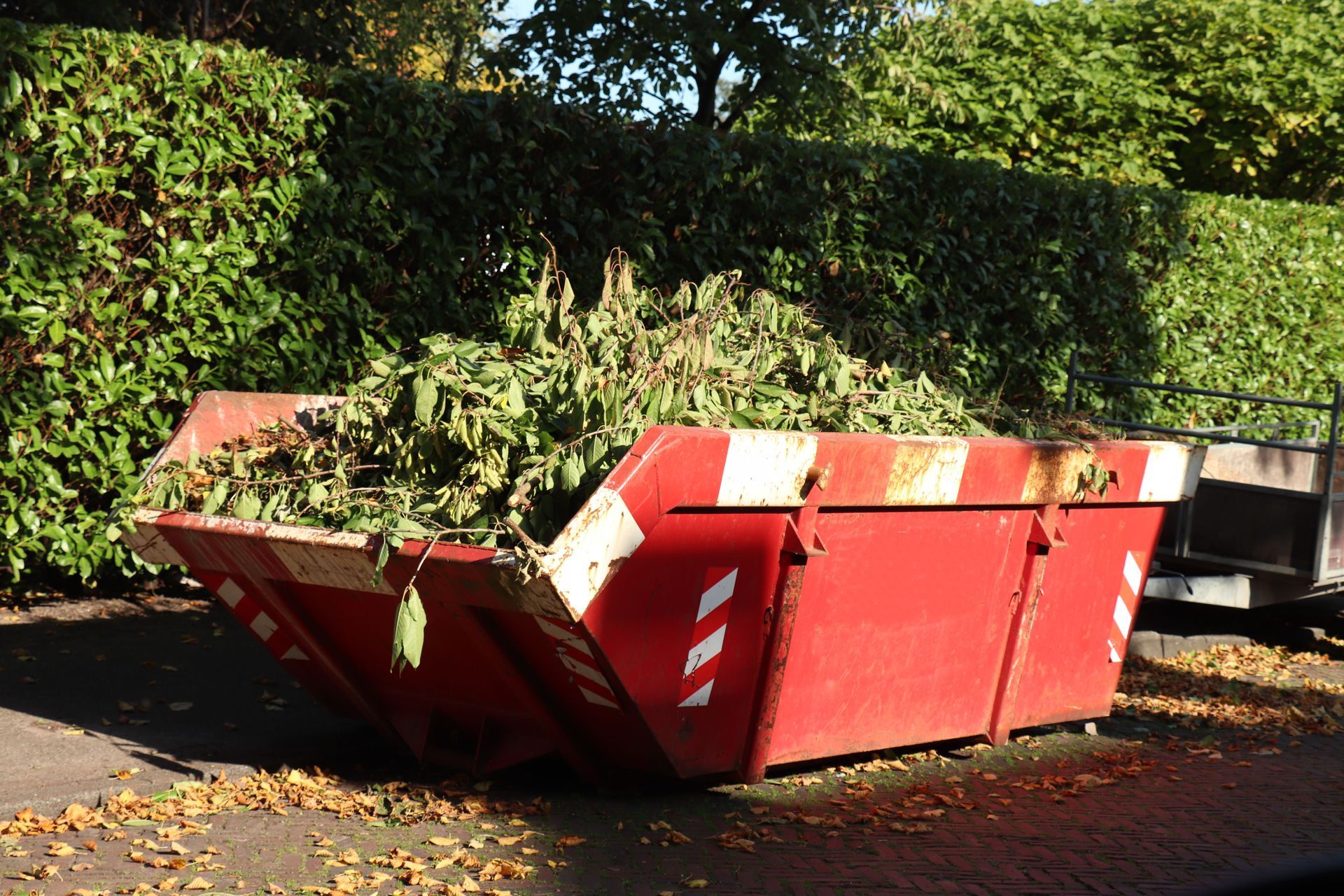
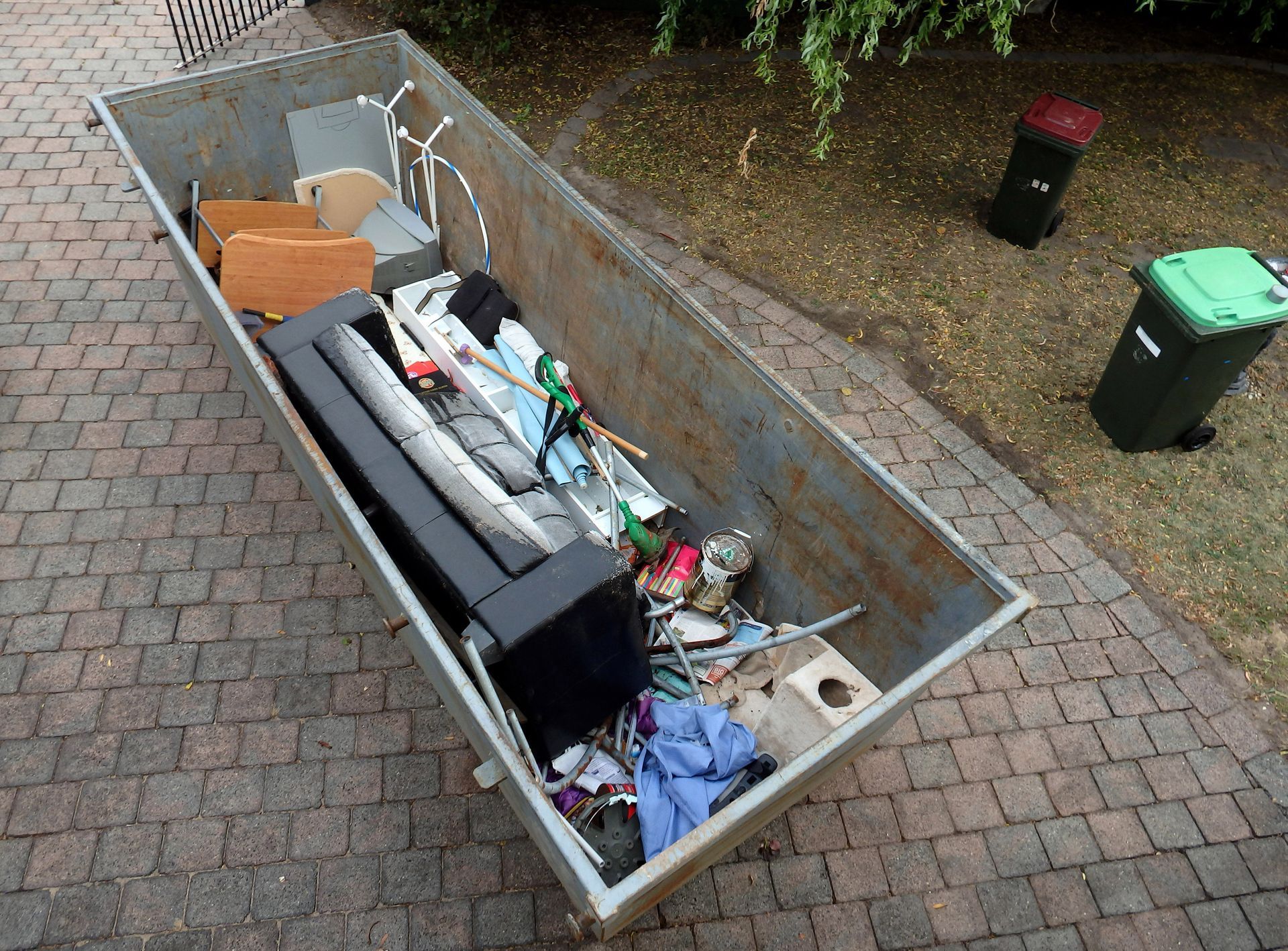
Waste management containers come in various standard capacities designed to handle distinct project demands across residential and commercial properties. Compact 10-yard bins work exceptionally well for minor household cleanouts, small bathroom updates, or light yard restoration work. Medium-sized 20-yard containers provide ample capacity for multi-room decluttering efforts, flooring removal, or roof replacements. Recognizing how these distinct dimensions correspond to actual debris volume helps project owners select appropriate containers without paying for unused space or risking accidental overflow.
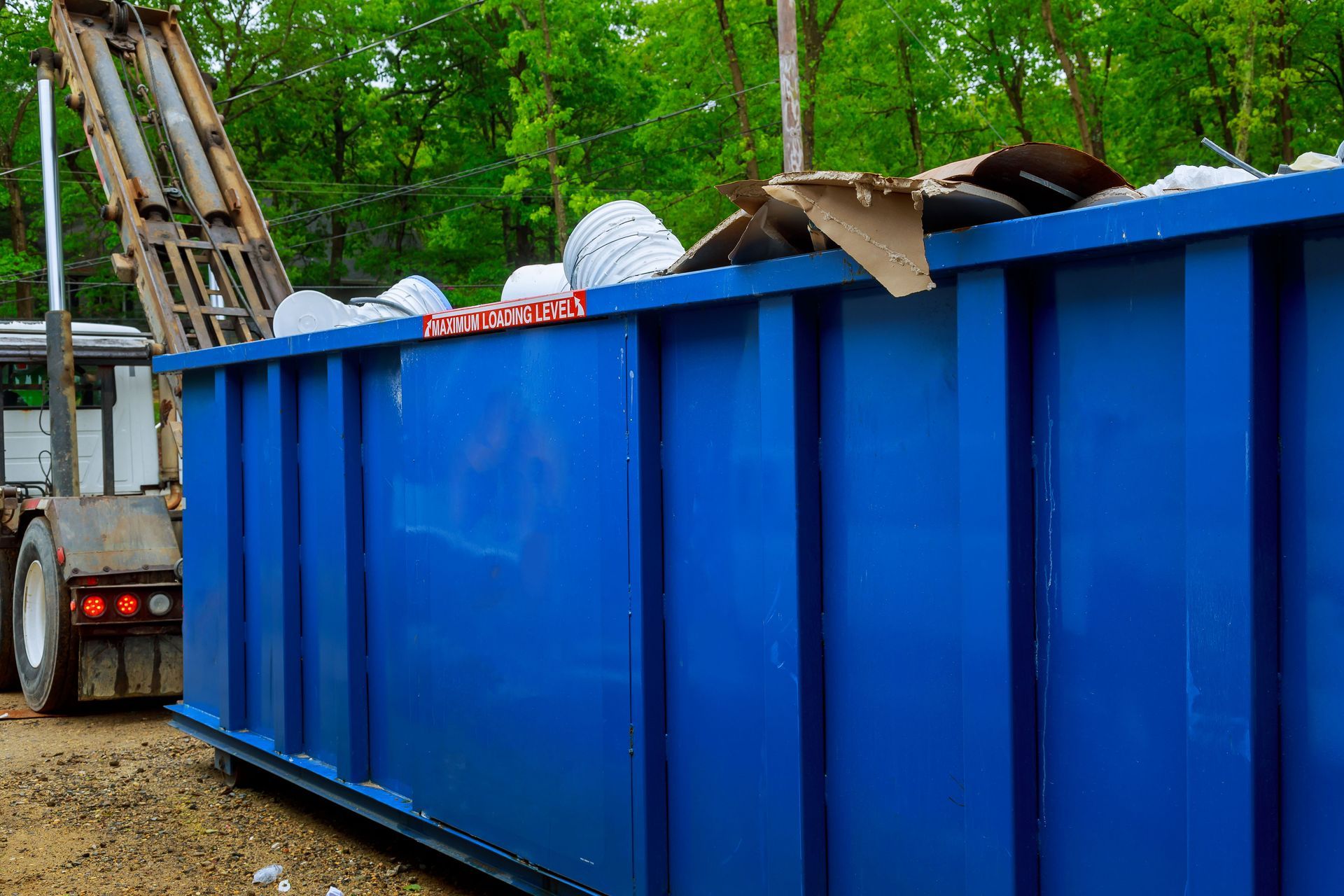
Larger projects, such as full home renovations or commercial builds, generally demand 30-yard or 40-yard options to accommodate heavy material accumulation. These heavy-duty bins easily accommodate bulky construction materials, structural demolition debris, and extensive property clearouts. Evaluating physical size alongside volume capacity prevents delivery placement issues on residential driveways or cramped commercial work sites. Selecting well-matched dumpster rentals keeps your workspace clean, organized, and compliant with local containment standards throughout the entire project lifespan.
Evaluate Your Cleanup Needs
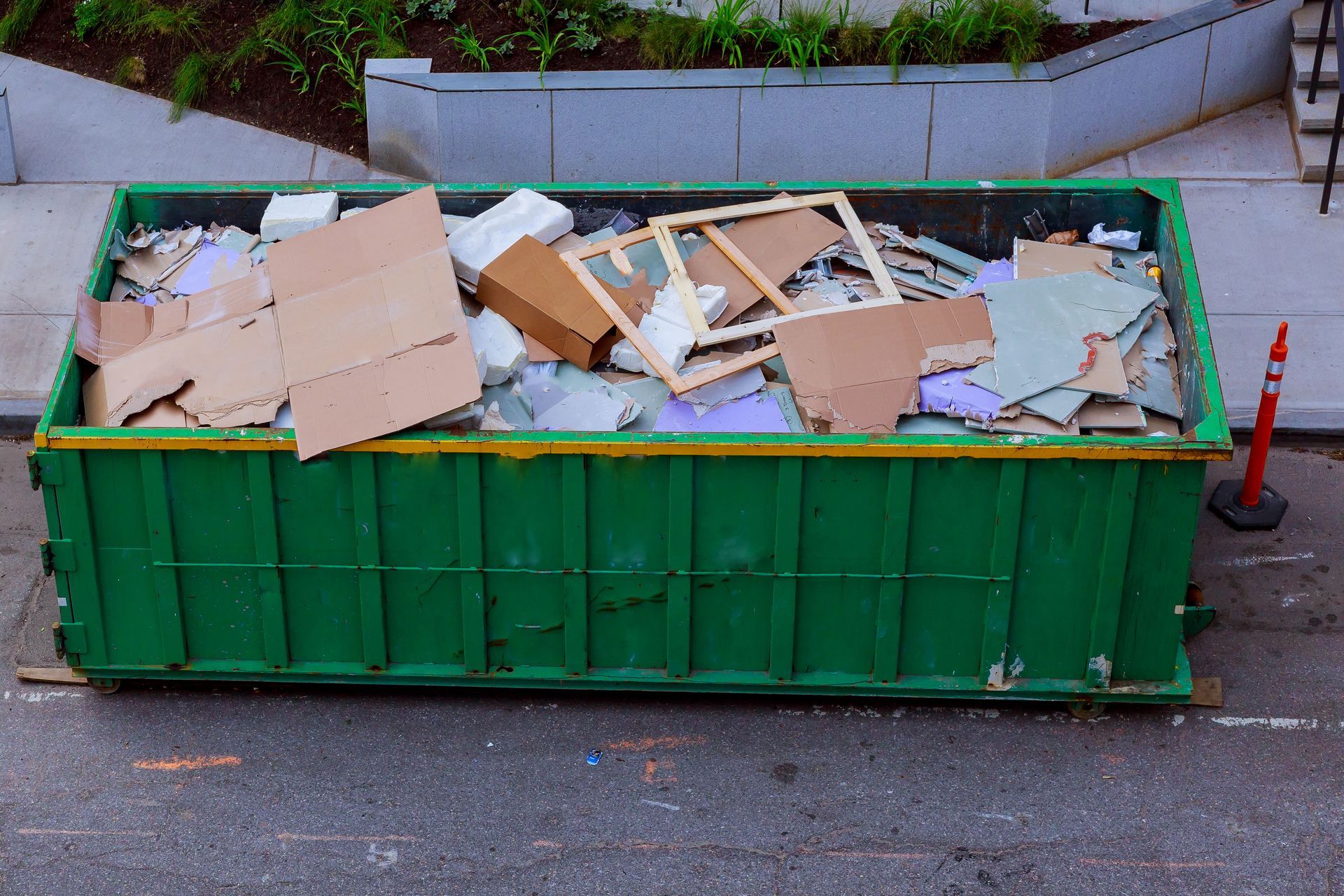
Accurately assessing the type and scope of materials you plan to discard is fundamental to successful site planning and material management. Minor home repairs produce lightweight debris like drywall, trim, and minor fixtures, whereas structural overhauls generate heavy concrete, masonry, and heavy timber. Heavy materials consume weight allowances quickly, even if the physical container appears only partially filled. Categorizing waste types beforehand prevents weight limit surcharges and assists in selecting container specifications tailored to your materials.
Project duration also impacts overall logistics and determines how long you will require dedicated container access on your property. Short-term decluttering tasks may only require a few days of site placement, while extensive remodels demand flexible long-term arrangements. Aligning your rental timeline with project milestones prevents work delays and avoids unexpected daily extension fees. Utilizing professional dumpster rentals allows haulers to coordinate prompt drops and pickups, ensuring uninterrupted workflow across every phase of your project.
Calculate Potential Waste Volume
Estimating total debris volume prevents the frustration of overloading a container or needing multiple emergency hauls during active construction. A practical approach involves assessing how much physical space your accumulated debris will occupy when piled together. Smaller containers suit localized renovation waste, whereas large-scale projects require heavy-duty bins designed for high-density debris containment. Realistically measuring your debris volume ensures you secure a bin capable of holding everything in a single efficient delivery.
Different project types generate vastly different material volumes, from compact residential cleanouts to massive commercial building sites. Phased projects often benefit from scheduled bin swaps rather than ordering a single massive container that blocks valuable driveway or parking space. Securing flexible dumpster rentals ensures debris moves off site quickly without cluttering active work zones or creating safety hazards. Careful volumetric calculations keep waste management simple, predictable, and fully aligned with your overall renovation schedule.
Estimate Costs and Fees
Budgeting for waste removal requires understanding baseline rental rates alongside potential extra charges that may arise during service. Overall pricing depends on bin size, rental duration, regional location, and the final weight of discarded materials. Comparing transparent quotes from multiple service providers ensures you receive reliable service without hidden markups or unexpected fees. Understanding the complete cost breakdown upfront allows you to plan your project budget accurately and avoid unexpected financial surprises upon final billing.
Avoiding overage charges relies on respecting designated weight limits and avoiding prohibited materials like hazardous chemicals or electronics. Exceeding weight thresholds or improperly mixing restricted materials results in extra processing fees from regional landfill operators. Reviewing service terms carefully before finalizing agreements guarantees complete financial clarity throughout the disposal process. Selecting affordable dumpster rentals that match your material weight profile protects your budget while maintaining seamless operational efficiency on site.
Implement Sustainable Disposal Methods
Adopting eco-friendly waste practices plays a critical role in modern construction and home improvement projects across the country. Sorting recyclable materials like untreated lumber, scrap metal, and corrugated cardboard reduces environmental impact while optimizing container space. Modern waste management facilities focus heavily on material recovery to keep reusable items out of municipal waste streams. Implementing systematic sorting procedures on your job site supports regional sustainability goals while keeping overall disposal processes organized.
According to the Environmental Protection Agency, pairing recycling programs with residential and commercial dumpster rentals helps keep more than 60 percent of project debris out of local landfills. Working with eco-conscious haulers ensures discarded items are directed toward appropriate recovery facilities for processing. Choosing green rentals minimizes your project's overall ecological footprint without adding unnecessary complexity to your daily operations. Responsible waste management transforms routine cleanups into positive environmental contributions for the entire community.
Simplify Your Final Project
Proper site preparation guarantees safe delivery, stable placement, and easy access for hauling vehicles upon arrival. Before your bin arrives, measure the designated placement spot to verify adequate physical clearance and overhead space free from low branches or power lines. Street placement often requires local municipality permits, whereas private driveway placement avoids municipal paperwork but requires protective wooden boards under the bin wheels. Proper preparation prevents property damage and ensures driver safety during placement and final retrieval procedures.
Organizing efficient loading techniques further maximizes container space and maintains balanced weight distribution inside the bin. Placing heavy, flat items at the bottom creates a solid foundation and prevents dangerous air pockets inside the container structure. Distributing weight evenly prevents tipping issues during transport and avoids exceeding maximum fill lines. Relying on dependable dumpster rentals along with disciplined loading habits protects workers, speeds up cleanup efforts, and streamlines final hauling schedules.
Selecting the right disposal container plays a pivotal role in maintaining project safety, site efficiency, and overall budget control. By evaluating your total material volume, understanding dimensional options, and implementing eco-friendly sorting habits, you position your project for complete success. Proper preparation eliminates unnecessary delays and ensures your property remains clean and organized throughout every stage of the renovation process.
Taking a proactive approach to waste management allows you to focus on completing your renovation with total confidence and peace of mind. Whether you are tackling a minor residential update or managing an extensive commercial build, having dependable disposal partners makes every step easier. Contact us today at Junk Bee Gone to reserve the ideal setup for your upcoming project and let our team handle your waste management needs.