July 28, 2026
In the modern era of waste management, dumpster rentals play a crucial role in ensuring efficient and effective disposal of waste. These services accommodate a wide range of needs, from residential cleanups to large-scale commercial projects. The convenience and flexibility offered by a dumpster rental have made this service a popular option for individuals and businesses alike. Throughout this article, we will dive into the fascinating world of dumpster rentals, exploring various facts and insights about their history, types, environmental impact, regulations, economy, and more. By the end, you'll appreciate the significant impact dumpster rentals have on both local and global scales.
1. Origin of Dumpsters
1.1 The Birth of the Dumpster
The concept of the dumpster was introduced in the early 20th century when George Dempster, a native of Knoxville, Tennessee, invented the Dempster-Dumpster system. This system revolutionized waste management by creating containers that could be mechanically lifted and emptied, requiring less manual labor and enhancing efficiency. Dempster's invention became widely popular due to its innovative design and ease of use. Before this invention, waste disposal was a laborious task that required significant manpower. Dempster's ingenious solution laid the groundwork for the modern dumpster rental services we benefit from today.
1.2 The First Dumpster Rentals
The concept of dumpster rentals emerged shortly after the invention of the dumpster itself. As urbanization increased and cities expanded, there was a clear need for scalable waste management solutions. Waste management companies began offering dumpster rental services, allowing businesses and residents to manage their waste more efficiently. These services quickly expanded beyond urban areas, becoming vital in rural locations as well. The availability of rental services marked a pivotal shift in how society approached waste disposal, enabling more comprehensive and accessible solutions.
1.3 The Evolution of Dumpster Design
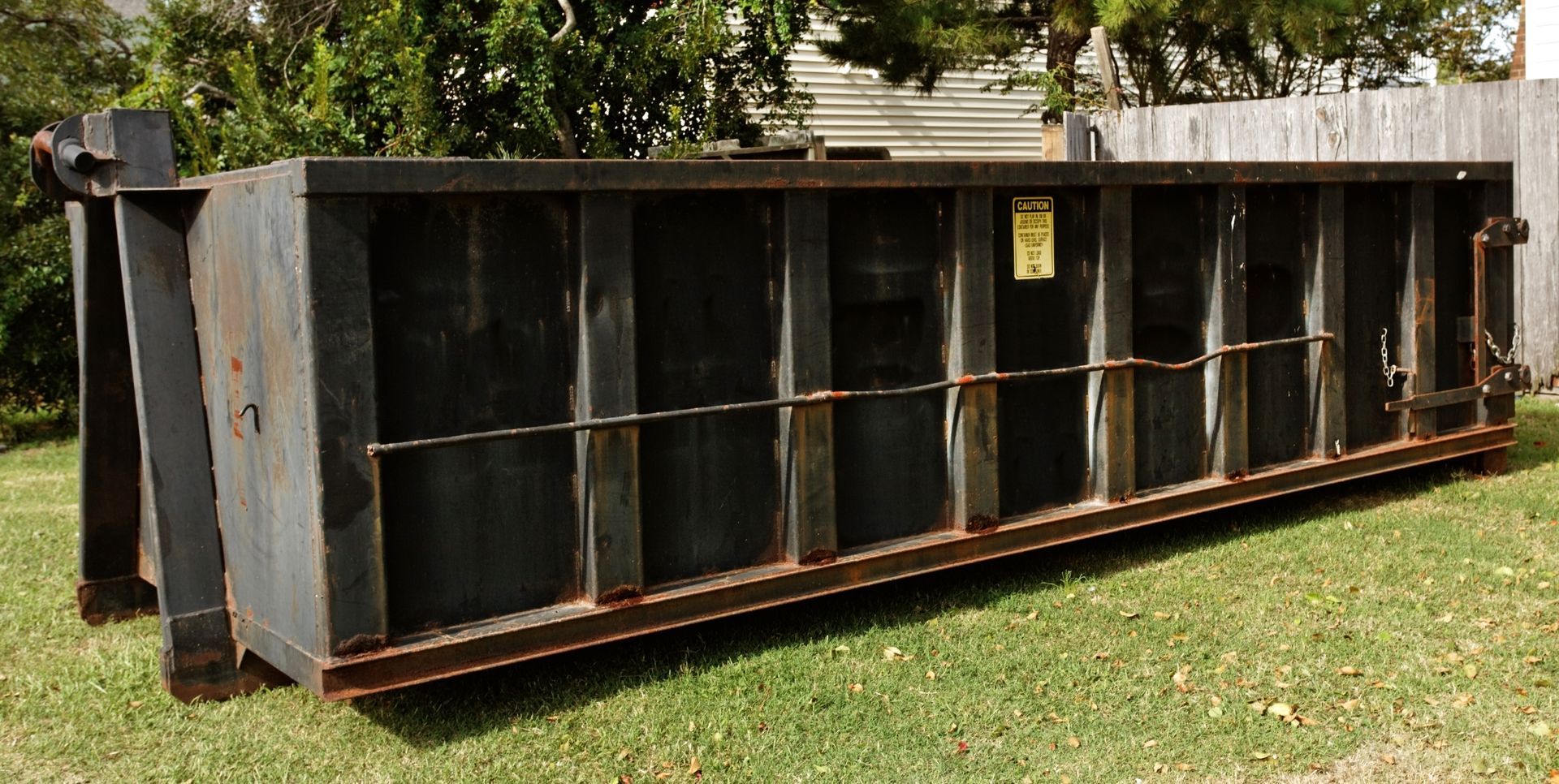
Dumpster design has undergone significant changes since its inception to meet evolving needs and regulatory requirements. Initially, dumpsters were simple steel containers; over time, they have been enhanced with materials that increase durability and functionality. Modern dumpsters come in various sizes and shapes, designed to accommodate different types of waste, from construction debris to household rubbish. Innovations such as reinforced frames, low-profile designs, and secure lids have improved both safety and usability. This evolution demonstrates how design adapts to improve utility and compliance with environmental standards.
1.4 Dumpster Rentals in Popular Culture
Dumpsters and dumpster rentals have made numerous appearances in popular culture, often symbolizing urban life or depicting moments of chaos and humor. From sitcoms and dramas to action films, dumpsters serve as both literal and metaphorical backdrops. They have been cleverly used in chase scenes, hideouts, and even as tools for comedic gags. These portrayals reflect societal views on urbanity, waste, and sometimes the unexpected adventures that happen alongside them. The presence of dumpsters in media underscores their ubiquity and relevance in everyday settings.
2. Different Types of Dumpster Rentals
2.1 Residential Dumpsters
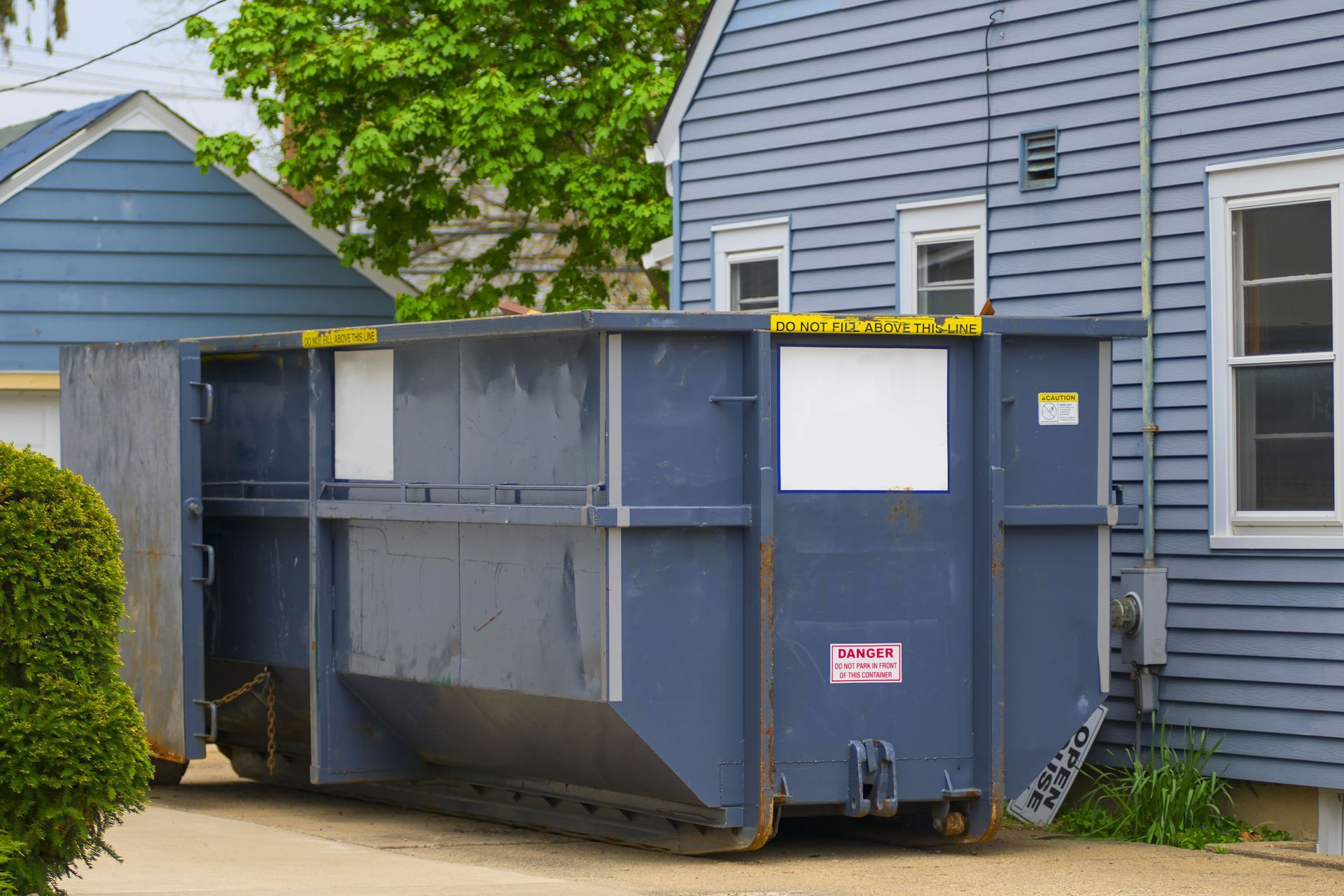
Residential dumpsters are designed for homeowners undertaking small to medium-sized projects. These include home renovations, landscaping efforts, and extensive cleanouts, all of which generate significant waste. Available in various sizes, residential dumpsters provide a practical solution for disposing of debris, ensuring a tidy and efficient process. The ease of renting and having a container delivered directly to one's driveway makes them an attractive option for homeowners. Efficient waste disposal is crucial, given the United States produces nearly 12% of global municipal solid waste despite having only 4% of the global population, according to Sensoneo.
2.2 Commercial Dumpsters
Commercial dumpsters cater to the waste management needs of businesses, offices, and hospitality sectors that produce large quantities of waste. These dumpsters vary in capacity and are often strategically placed to accommodate regular waste disposal needs. Businesses benefit from the consistency and convenience of having a dedicated waste solution, enabling them to focus on their operations without concern for waste accumulation. Commercial dumpsters are essential for maintaining compliance with local waste disposal regulations. With varying frequency of pick-up services, they offer customizable solutions tailored to business requirements.
2.3 Construction Dumpsters
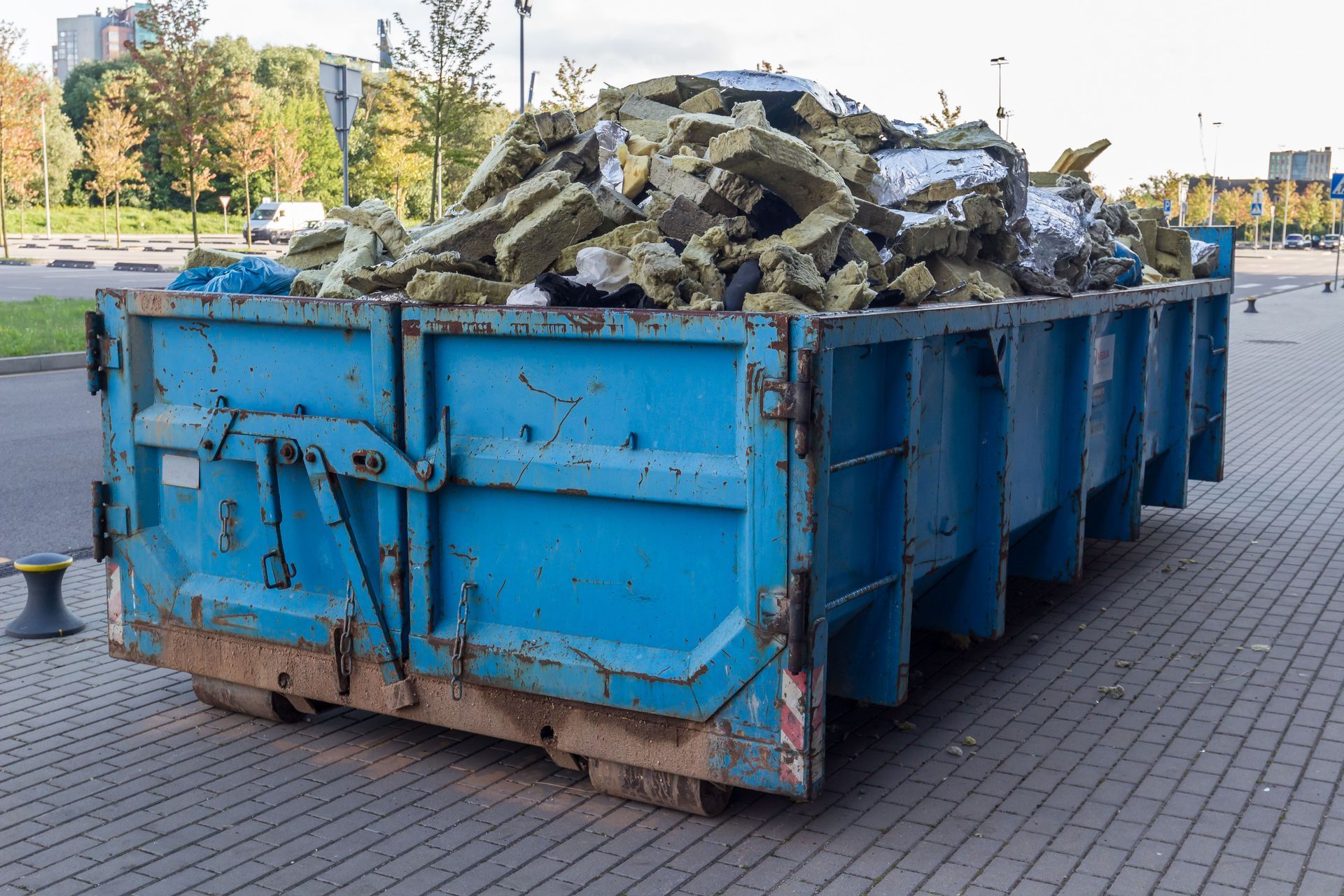
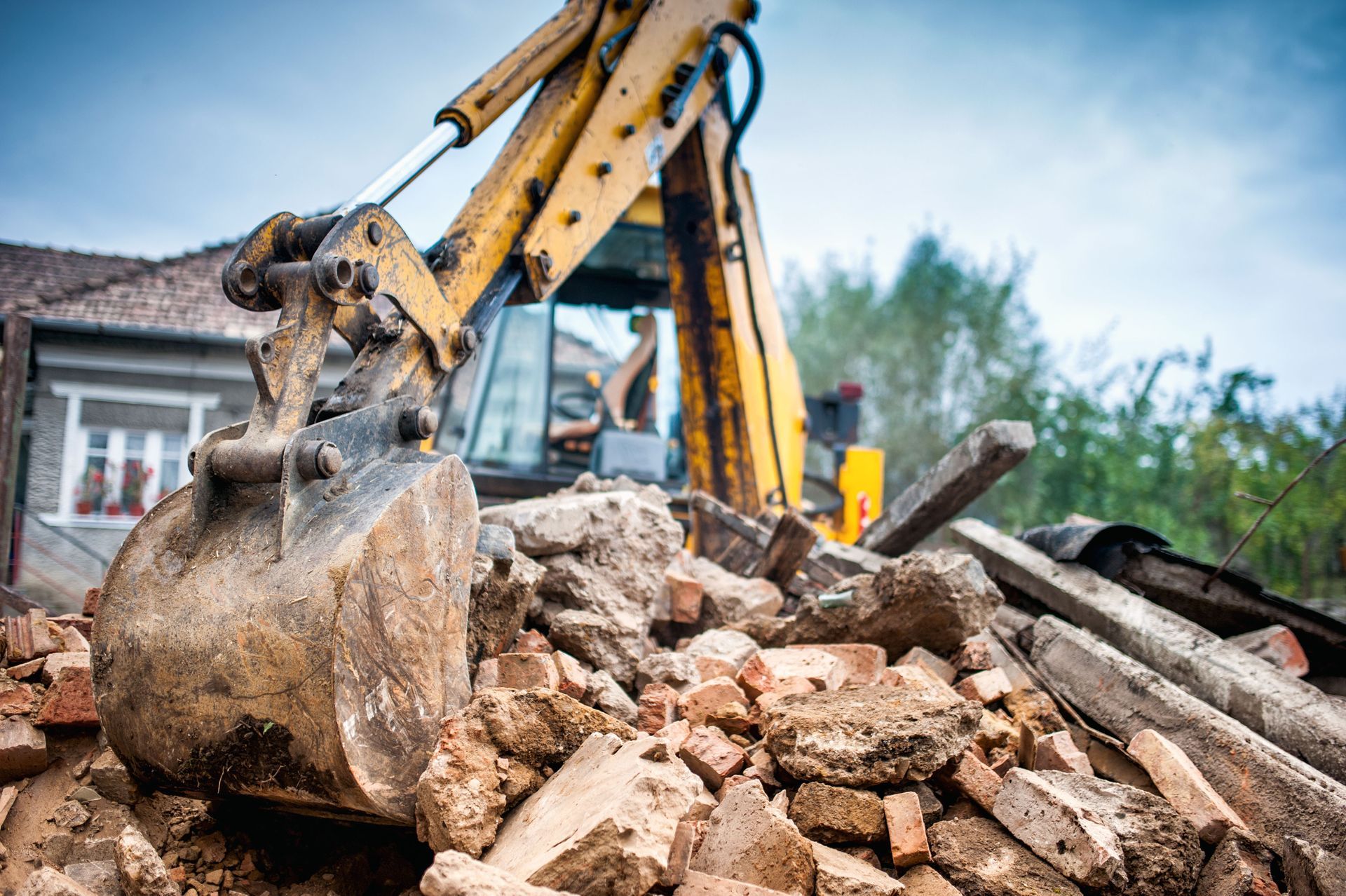
Construction sites generate a plethora of waste materials, necessitating the use of large, robust construction dumpsters. These dumpsters can handle heavy debris, such as concrete, wood, and metal, making them indispensable for construction and demolition projects. Their heavy-duty design ensures durability and safety, capable of withstanding rugged environments and oversized waste. Renting a construction dumpster is a cost-effective way to manage debris swiftly, keeping the site clean and organized. This efficiency supports project timelines, allowing workers to focus on their tasks without constraint from waste management concerns.
3. The Environmental Impact of Dumpster Rentals
3.1 Benefits of Waste Management
Dumpster rentals play a vital role in effective waste management, streamlining the collection, transportation, and disposal of refuse. By organizing waste efficiently, dumpster rentals significantly contribute to pollution reduction in urban and rural areas. They minimize the scatter of waste materials, curbing environmental degradation and promoting cleaner surroundings. Dumpster rentals support municipalities in maintaining public health, preventing the spread of diseases, and enhancing community well-being. Their essential services underpin broader efforts to manage waste in an environmentally sustainable manner.
3.2 Recycling and Dumpster Rentals
Recycling efforts are widely supported through the use of appropriately designated dumpsters, encouraging responsible disposal practices. Specialty dumpsters for recyclable materials like plastics, metals, and paper reduce landfill waste, conserving natural resources and energy. Many dumpster rental services partner with recycling centers to ensure collected materials are processed efficiently and sustainably. Customers are urged to separate recyclable waste, thereby promoting accountability and reducing the environmental impact of landfilling excess refuse. Such collaborative initiatives strengthen the impact of recycling on a global scale.
3.3 The Role of Dumpster Rentals in Urban Cleanliness
Effective urban cleanliness is significantly bolstered by the strategic placement of rented dumpsters. Cities utilize these containers to manage waste in public spaces, parks, and residential areas, fostering clean and livable environments. Dumpster rentals prevent illegal dumping and littering, discouraging unsanitary practices that undermine public health. This organized approach to waste management enhances overall urban aesthetics, supporting tourism, local businesses, and community pride. The ubiquitous presence of dumpsters is a pivotal aspect of urban planning decisions that prioritize cleanliness and sustainability.
4. Dumpster Rentals and Regulations
4.1 Licensing and Permits
The legal landscape of dumpster rentals encompasses various licensing and permit requirements necessary for operation. Rental companies must navigate these regulations to provide compliant and lawful services to their clientele. These include obtaining permits for container placement, particularly in public areas, to prevent traffic violations or obstruction. Licensing ensures that companies adhere to waste disposal standards, enhancing public trust in the service provided. The regulatory framework also mandates insurance and liability coverage to safeguard against unforeseen incidents.
4.2 Waste Disposal Laws
Waste disposal laws set strict guidelines on what materials can be added to dumpsters, steering clear of prohibited hazardous waste. These laws are designed to protect the environment, public health, and sanitation systems from the adverse effects of improper waste management. Compliant disposal is mandatory, emphasizing education on acceptable materials prior to rental agreements. Failure to adhere to waste disposal laws results in fines, highlighting the importance of following best practices. Proper training and support from rental companies can help address any uncertainties about disposal regulations.
Dumpster rentals are essential assets in modern waste management, offering versatile solutions for diverse needs. Their impact extends beyond convenience, with significant contributions to environmental sustainability, economic development, and urban cleanliness. By understanding the complexities of dumpster rentals, individuals and businesses are empowered to make informed choices that enhance their waste handling practices. This article highlights numerous facets of the industry, recognizing the integral role dumpsters play in shaping contemporary landscapes. As waste management continues to evolve, dumpster rentals will remain vital, supporting responsible and sustainable practices. Call Junk Bee Gone today for more.